Conscious connected breathwork and the color Indigo are built on a few beautiful things: a color with thousands of years of stories behind it, a breath pattern that brings out your authentic truth, and a practice that can promote somatic, emotional, and spiritual clarity.
What Conscious Connected Breathwork Actually Is
Conscious connected breathwork is exactly what it sounds like. You breathe in a continuous circle, inhaling right into the exhale with no pause, through the mouth, lying down. An activating exercise that allows the nervous system to process repressed emotions and trauma.
Throughout the session, stuck emotions get a chance to move. Old stories start to loosen. Your body, which has been carrying so much for so long, finally gets to let go. People may laugh, cry, feel waves of joy, release suppressed emotions, gain clarity, and often end sessions feeling lighter than they have in years.
Why Indigo
Now for the color. Indigo has a rich history in many countries. It's been a dye created from plants for six thousand years across every continent. It shows up on ancient textiles, in sacred art, in the robes of contemplatives, in the flecked-gold stone we call lapis, and in a deep part of ourselves that we can see through our third eye. Lapis is also known for being used by women in ancient practices as a symbol of celebrating our beauty; Cleopatra was historically known for using ground Lapis as eye shadow and jewelry. The color indigo bridges a connection between our bodies, inner and outer beauty, intuition, and nature.
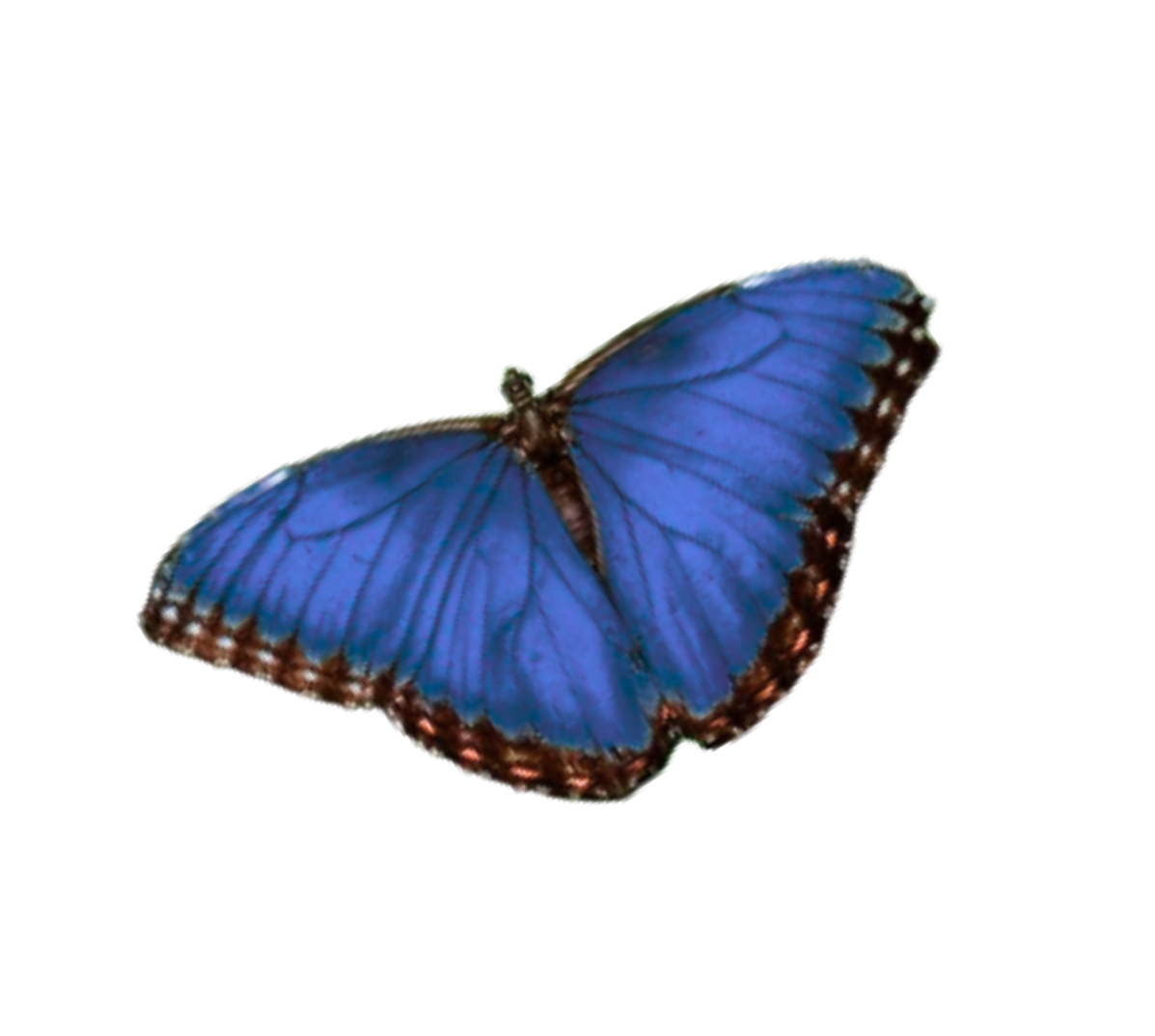
Indigo is the color of the sky as it reflects the moon's aura. It is the color of the ocean when I am night diving, with my flashlight lighting the way — a moment when I am fully present and curious about the unknown, much like breathwork. Indigo in nature tends to live in transitions — in dusk, in depth, in the shift between states. It's rarely a loud color, but it is bold enough to initiate transformation. Indigo is also the color of the butterflies I saw during my first breathwork session in Sayulita. This color was the beginning of a long transformational journey that continues to change my life.
The first time I heard the word indigo, I was about twelve years old, sitting across from a shaman my mother had taken me to during a difficult chapter in our family. Like many families, ours was moving through its own kind of turmoil, and my mom was searching for understanding. The shaman looked at me and said I was an intuitive, old soul who had come back to help bring light to the world as it transitions, like many other souls. She called me an Indigo Child. It was the first time I had ever heard the term, but it would not be the last. Now, I hope that the word indigo will be a silent beacon for others looking to tap into their intuition, awaken their gifts, and embrace their authentic selves through breathwork.
Is Breathwork a Good Fit for You?
Have you been living in fight, flight, freeze, and fawn for a long time?
Conscious connected breathwork is for you if you've ever felt that talking about your struggles only takes you so far — that somewhere beneath your thoughts, your body is still holding onto something it hasn't been able to release. It's for those navigating anxiety, grief, tension, burnout, creative blocks, old patterns that won't shift, or simply a quiet longing for deeper connection to themselves. This work meets you at the level where those experiences actually live: the nervous system. Using a circular, continuous breathing rhythm, this practice gently bypasses the analytical mind and invites your body into its own innate intelligence — where stored emotion can move, nervous system patterns can soften, and feelings of coming home to yourself often emerge. You don't need to be “spiritual”, experienced, or "ready" in any particular way. You just need to be curious, willing to feel, and open to the possibility that your body can heal itself.